Stanwood Tree Service & Land Clearing
K&J Tree Works provides professional tree care for Stanwood, a charming agricultural community near the Stillaguamish River delta. Known for its farmland and views of Camano Island, Stanwood properties often feature mature trees that frame stunning landscapes.
Whether you have a working farm, a home in the historic downtown, or a property in the surrounding rural areas, we provide expert tree services tailored to Stanwood's unique environment.
We work on properties throughout the Stanwood area — from the historic downtown and Viking Way corridor to the delta farmlands, Marine Drive, and the elevated neighborhoods with Camano Island views where coastal wind exposure stresses exposed trees.
Stanwood Tree Service at a Glance
- County: Snohomish County
- Elevation: ~10 ft (Stillaguamish delta)
- Common Trees: Douglas Fir, Western Red Cedar, Red Alder
- Terrain: Flat delta farmland with high water table
- Distance from Sultan: ~40 miles from Sultan
- Permit Authority: Check with City of Stanwood
- Services: Tree removal, trimming & pruning, emergency tree service, land clearing, wood & debris removal, hazard tree assessment
- Contractor: WA L&I #KJTREJT792QS — bonded and insured
- Hours: Monday–Saturday, 8am–5pm
- Estimates: Free on-site estimates — call (425) 223-7904
Tree Services for Stanwood Properties
Tree Removal in Stanwood
Professional tree removal for Stanwood's farmland and residential properties. We handle windbreak trees, orchard clearing, and hazard removal.
Windbreak Maintenance
Stanwood's coastal exposure makes windbreaks essential. We trim and maintain tree rows that protect your property from Puget Sound winds.
Agricultural Tree Services
Farm and ranch properties need specialized tree care. We work around agricultural operations with minimal disruption.
What Tree Challenges Do Stanwood Properties Face?
Stanwood occupies the Stillaguamish River delta where it empties into Port Susan Bay on Puget Sound, with elevations ranging from just 2 feet on the reclaimed tideflats to 190 feet on surrounding hills. The deltaic soils that once supported agriculture now sustain a mix of farmland and forest, where windbreak rows of conifers shield properties from coastal gales sweeping off the Sound. Trees on the low-lying flats endure saturated soils and tidal influence, while those on higher ground face full exposure to maritime storms. Maintaining healthy windbreaks is essential, as failing trees along field edges can damage fences, outbuildings, and power lines during winter weather events.
When a storm brings down a tree or leaves one leaning against a home, fence, or power line, our emergency tree service responds quickly across Stanwood and the surrounding area.
Browse our project photo gallery to see examples of tree work we've completed in Stanwood and surrounding areas.
How Does Tree Service Work in Stanwood?
- Contact Us: Call (425) 223-7904 or request a free estimate online for your Stanwood property
- Free On-Site Assessment: We visit your Stanwood property to assess trees and plan work around the Stillaguamish delta's low-lying farmland terrain
- Professional Tree Work: Our crew arrives with equipment suited for Stanwood's saturated deltaic soils and the wind-stressed trees common near Port Susan Bay
- Complete Cleanup: We leave your property clean — all wood, brush, and debris removed or chipped on-site. In Stanwood, we handle agricultural-scale cleanup including windbreak row debris that can fill multiple chipper-truck loads, and we coordinate haul-out with farm operation schedules
Why Choose K&J Tree Works for Tree Service in Stanwood?
K&J Tree Works has managed windbreak rows, cleared drainage ditch overgrowth, and removed hazard trees on agricultural and residential properties throughout the Stanwood-Camano corridor. We understand the Stillaguamish River delta's flat terrain, silty soils, and the brittle cottonwood and alder that dominate Stanwood's farmland tree lines.
- Delta and tidal soil assessment for trees on the Stillaguamish River floodplain
- Windbreak management that balances removal with continued coastal gale protection
- Equipment for large agricultural properties with field-road access
- Experienced with maritime storm damage on higher-elevation Stanwood properties
- Fully licensed, bonded, and insured
- Free estimates for Stanwood properties
Common Tree Species in Stanwood
- Black Cottonwood (Populus trichocarpa)
- Brittle wood and aggressive root systems along windbreak rows and drainage ditches create the most common tree emergency calls in the delta
- Red Alder (Alnus rubra)
- Dense growth along drainage channels and field borders obstructs water flow and falls across farm roads as trunks decay after 40 years
- Sitka Spruce (Picea sitchensis)
- Coastal wind exposure and occasional salt spray from Puget Sound create lopsided growth on exposed waterfront agricultural parcels
- Shore Pine (Pinus contorta var. contorta)
- Native coastal pine tolerates Stanwood's conditions but is uncommon — most windbreak plantings use the more problematic cottonwood and Lombardy poplar
Do You Need a Tree Removal Permit in Stanwood?
Stanwood's Landscaping and Tree Retention chapter applies to enumerated development and review categories, with exemptions. Nonexempt grading, building, site-development, or SEPA applications require a tree-retention plan; the chapter also addresses new or expanded uses and parking, construction protection, at least 50 percent significant-tree retention, and replacement where reasonable development cannot accommodate retention. For ordinary yard work outside those applications, check with Community Development because other city rules or parcel conditions may still apply.
You can read the chapter on the official Stanwood Municipal Code, Chapter 17.145 (Landscaping and Tree Retention). Wetlands, steep slopes, shoreline areas, plat conditions, and other code provisions may apply beyond Chapter 17.145, so confirm your parcel and proposed work with Stanwood's Community Development department before removing trees.
If a tree is touching or leaning into a power line anywhere in Stanwood, call the electric utility before anyone else — Stanwood is served by Snohomish County PUD. Never trim or cut within 10 feet of a power line yourself. Stay clear and contact PUD so it can determine whether the vegetation is within its maintenance scope; vegetation around service lines and standalone communication lines is excluded.
Frequently Asked Questions About Tree Service in Stanwood
- What affects cost for tree removal in Stanwood, WA?
- Tree removal costs in Stanwood reflect the Stillaguamish River delta environment, where elevations range from just 2 feet on reclaimed tideflats to 190 feet on surrounding hills, each with distinct soil and wind challenges.. Delta & tidal soils — trees on the low-lying flats endure saturated soils with tidal influence, weakening root systems and requiring careful stability assessment before removal. Coastal gale exposure — windbreak rows of conifers shield properties from Puget Sound coastal gales, and removal or thinning must account for the loss of wind protection. Agricultural property scale — farms and large rural lots require heavy equipment transport across field roads, and windbreak trees along field edges can be very large and closely spaced. Maritime storm damage — full exposure to maritime storms on higher ground means wind-stressed trees frequently develop structural weaknesses that increase felling complexity. Free on-site estimates — we assess your Stanwood property's elevation, soil saturation, and windbreak conditions before providing a quote
- What tree issues are common in the Stanwood area?
- Windbreak trees on agricultural properties need ongoing maintenance to remain effective — gaps, leaning trees, and deadwood within windbreak rows reduce their protection value and create falling hazards during the coastal gales they are meant to buffer. Large conifers threatening farmhouses, barns, and outbuildings are a recurring issue throughout Stanwood, particularly on older properties where trees were left standing too close to buildings decades ago and have since grown to dangerous proportions. Trees growing into power lines along rural roads and county highways create fire risk, outage vulnerability, and liability exposure for adjacent property owners when limbs fall across utility corridors during storms. Storm damage from coastal winds sweeping off Puget Sound affects trees throughout Stanwood, with exposed higher-elevation properties above the delta flats experiencing more severe wind loading than sheltered interior locations
- Do you work on agricultural properties in Stanwood?
- Yes, we serve farms, dairies, berry operations, and large rural properties throughout the Stanwood area — agricultural tree work is a regular part of our service in this delta community. Land clearing for agricultural expansion, new building pads, and field boundary management is a common request — we clear brush, remove trees, and chip or haul debris to leave your ground ready for its next use. Windbreak and hedgerow management is important for Stanwood's agricultural operations — we trim, thin, and replace damaged sections to maintain the wind protection that coastal properties depend on during storm season. We bring equipment suited for large acreage work — our crew is comfortable navigating field roads, working around active farming operations, and staging equipment on properties that are measured in tens of acres rather than square feet
- Can you remove trees near the Stillaguamish River in Stanwood?
- Trees near the Stillaguamish River and its delta channels may be subject to additional environmental regulations that standard residential tree removal does not encounter — riparian buffers and shoreline management rules can apply. The ecological significance of the Stillaguamish delta means that tree removal within certain distances of waterways may require permit review to assess potential impacts on fish habitat, bank stability, and water quality. We recommend consulting with Snohomish County and potentially the Army Corps of Engineers or Washington Department of Fish and Wildlife before removing trees in close proximity to the Stillaguamish or its tributary channels. K&J Tree Works takes care to minimize environmental impact during removal near waterways — we use rigging techniques that prevent debris from entering the water and plan equipment staging to avoid damaging sensitive riparian soils
- What tree species dominate Stanwood's agricultural landscape?
- Black cottonwood is the most common and most problematic tree on Stanwood farmland growing 60 to 80 feet in 20 years but producing brittle wood that snaps during coastal wind events. Red alder colonizes drainage ditches and field borders obstructing water flow and creating dense stands that fall across farm infrastructure as trunks decay. Lombardy poplar planted as fast-growing windbreaks throughout Stanwood's farmland is reaching the end of its 30-to-40-year lifespan with widespread trunk decay
- Do I need permits to clear trees on agricultural land in Stanwood?
- Trees on upland portions of agricultural parcels outside critical areas are generally not regulated for removal, making routine farm-tree management straightforward. Trees along the Stillaguamish River, tidal sloughs, and within designated floodway areas fall under Shoreline Management regulations requiring permits. Snohomish County's critical areas ordinance applies to trees in wetland buffers and stream corridors crossing agricultural parcels. We help Stanwood farm owners identify which trees are in regulated versus unregulated areas using county GIS mapping
Tree Services We Offer in Stanwood, WA
Nearby Service Areas
What Stanwood Customers Say
Great job and excellent attention to detail. Definitely recommend
Robert and his excellent crew did a tough job for us removing dead wood, threatening branches and rejuvenating a 60’ Ponderosa pine. Wisteria grows throughout this tree complicating the project. AND same day, reduced the height of a large group of shore pines to improve our view. Efficient, fast, affordable, professional; they chipped and hauled away all debris and left no trace. Great job! Before photo with Robert in tree far left and two after photos. We’re very happy with improved view!
Our Tree Service Work in Stanwood
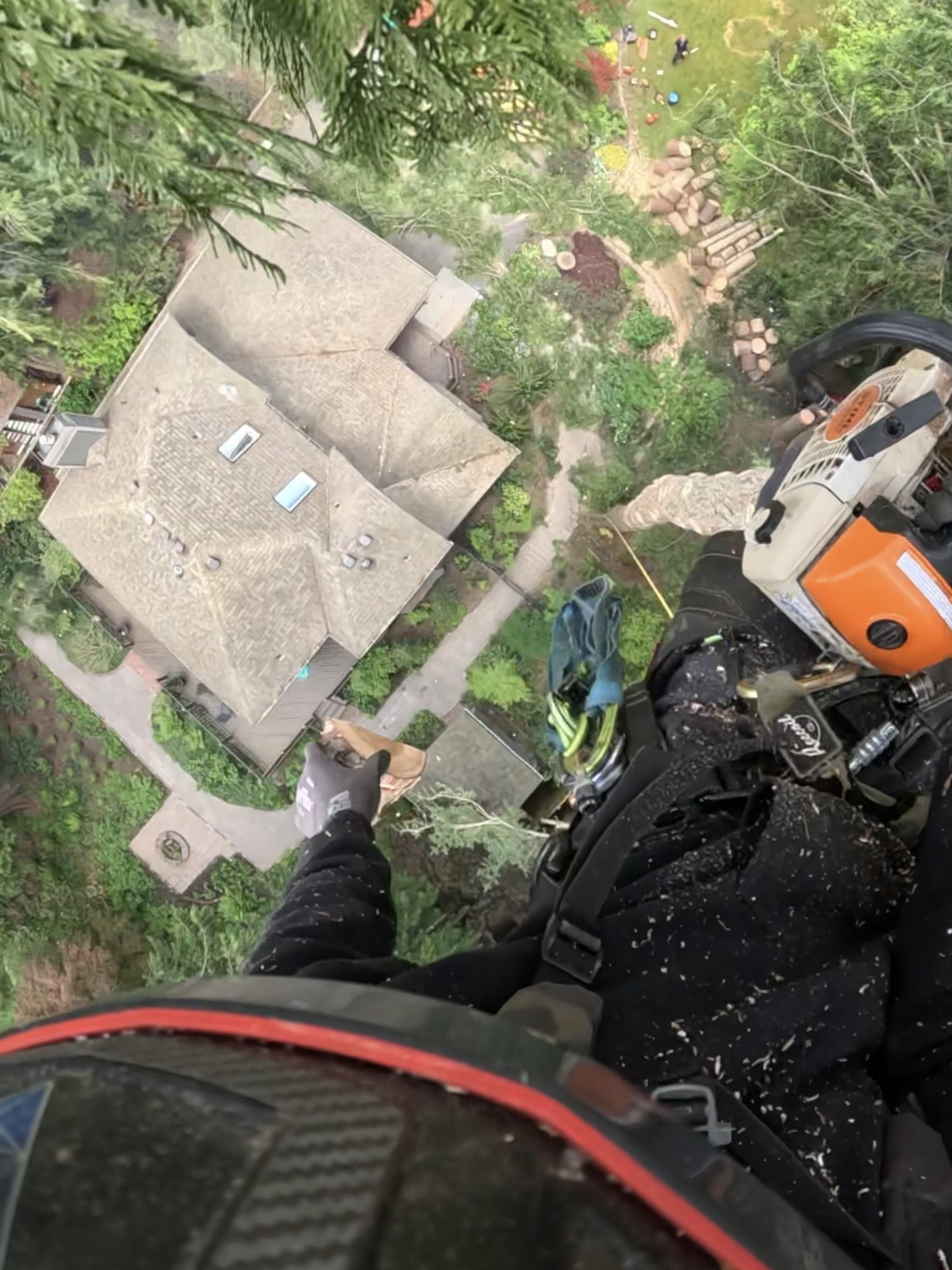
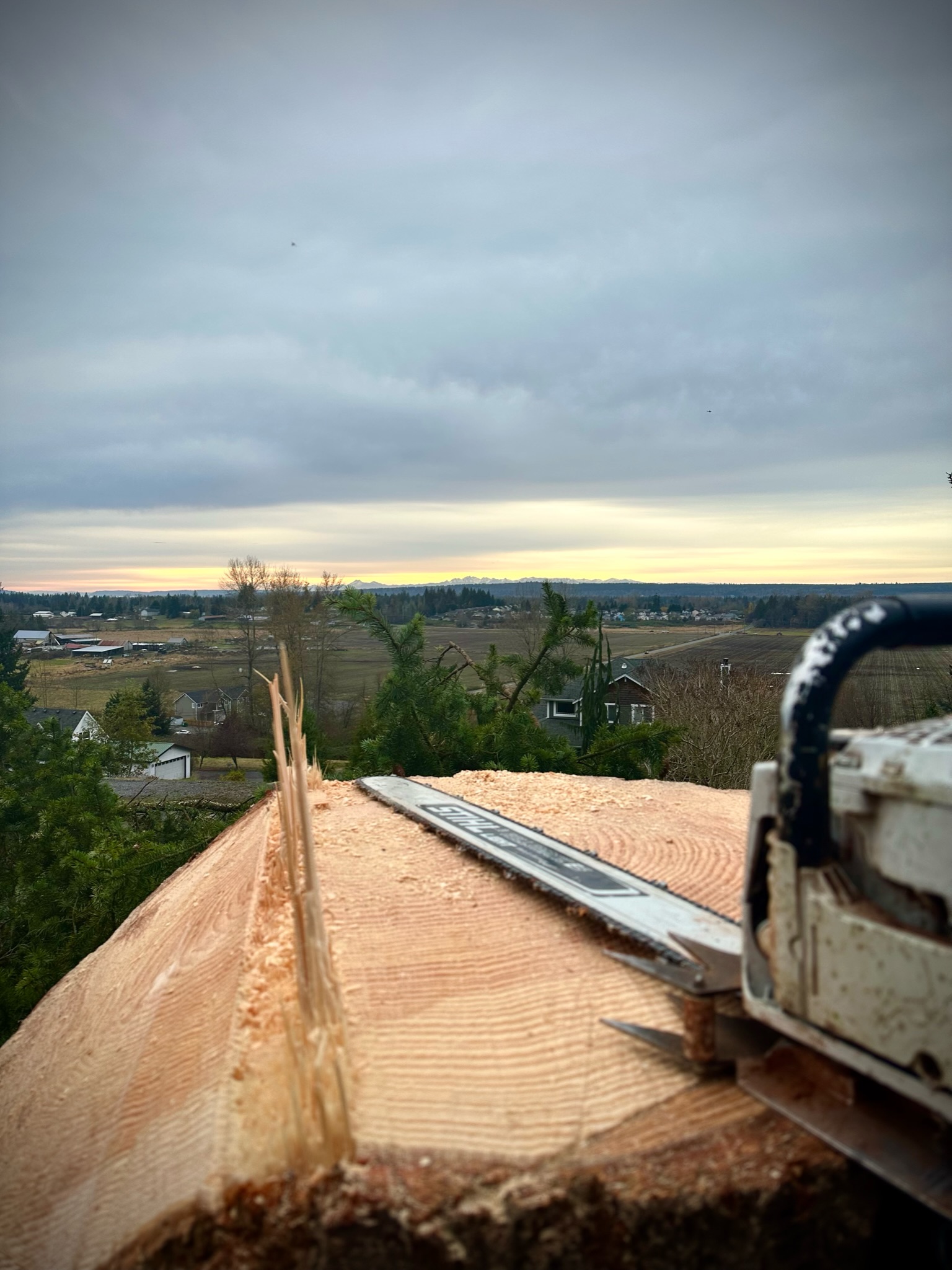
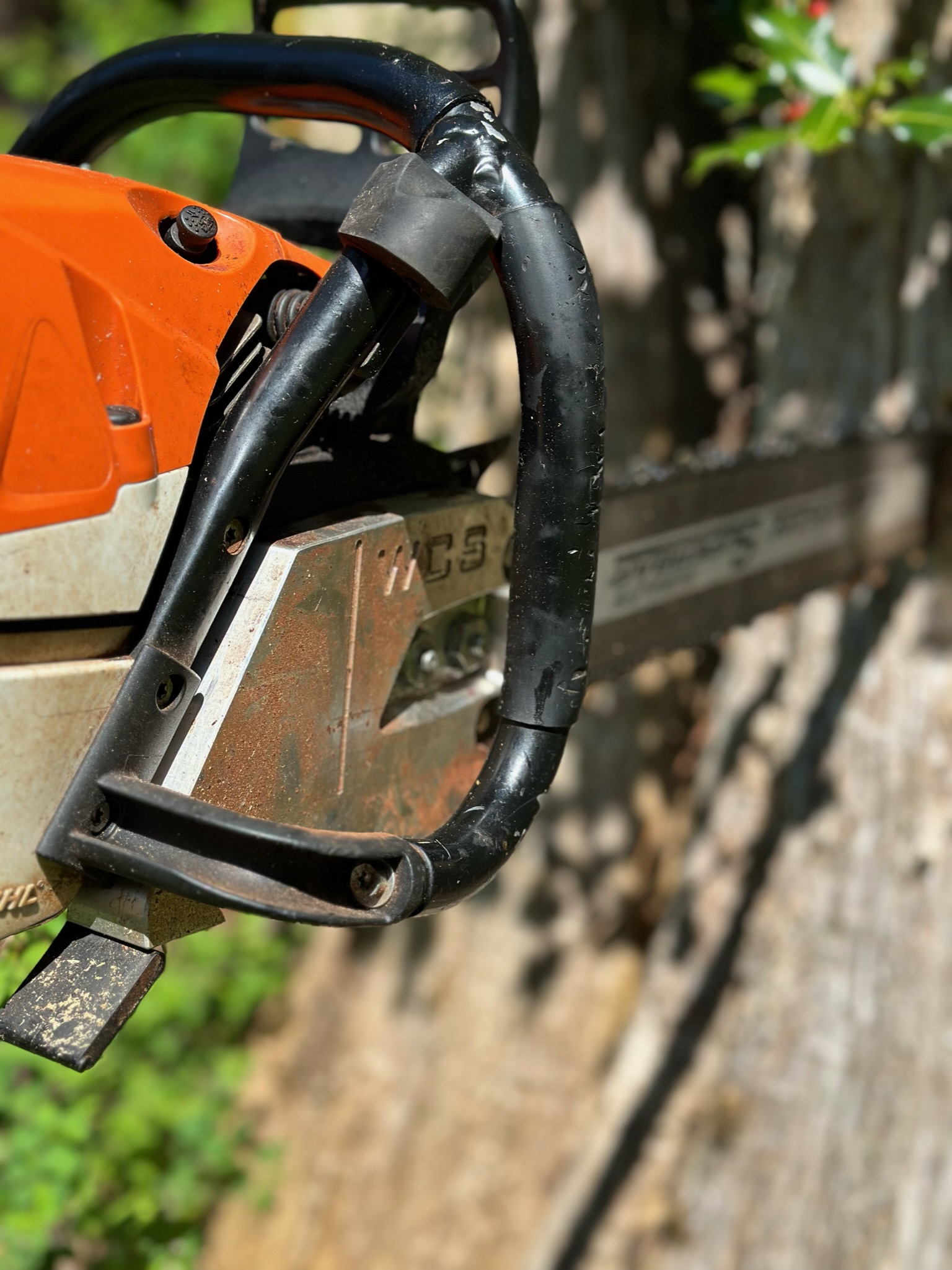
See recent tree service projects we've completed in Stanwood and the surrounding area.
From Our Blog
Expert tree service advice for Stanwood and Snohomish County.
- Farmland Windbreak and Hedgerow Tree Management in Stanwood — Stanwood sits in the Stillaguamish River floodplain where windbreak trees protect agricultural fields and homesteads. Managing cottonwood, alder, and willow hedgerows requires an approach different from suburban tree care.
- How to Choose a Tree Service Company in Washington State — A practical guide for Washington State homeowners on how to evaluate tree service companies — covering license verification, insurance requirements, quote red flags, equipment expectations, and the questions that separate reliable crews from risky ones.
- Complete Homeowner's Guide to Hiring a Tree Service in Snohomish County — Everything Snohomish County homeowners need to know about tree services — from removal and trimming to emergency response and land clearing, covering Sultan, Everett, Snohomish, Monroe, and all 16 communities we serve.
Get a Free Tree Service Estimate in Stanwood
K&J Tree Works serves Stanwood and surrounding communities in Snohomish County, WA. Contact us for a free on-site estimate.
Request Free Estimate | (425) 223-7904
PNW storm season runs October through March — schedule your free estimate before winter weather arrives.
Meet our team | Read customer reviews | Watch our team in action